The Complete Guide to Choosing an
Indoor & Outdoor People Counting System
Facility managers are under growing pressure to make decisions backed by real data — not guesswork. This guide breaks down what a modern indoor-outdoor people counting solution should deliver, and why getting the fundamentals right matters more than picking the cheapest sensor.
Staffing, safety planning, budget justification, and visitor experience all improve dramatically when you know exactly how many people are moving through your spaces — when, where, and in what direction. But most organisations revisiting their people counting strategy discover the same three problems with what they already have: ageing hardware that no longer counts accurately, no outdoor capability, and data that can’t be compared year-over-year or integrated with other systems.
A modern indoor-outdoor people counting system needs to solve all three — while also giving IT teams, privacy officers, and building managers the confidence that what they’re deploying meets current data protection standards and will still be relevant in five years. That is a more demanding specification than most legacy systems were designed to meet, and it is why the decision deserves more careful evaluation than a sensor spec sheet typically invites.
This guide covers the six things a best-in-class system must deliver, the specific advantages of combining indoor and outdoor data into a single platform, what to look for in a vendor relationship beyond the product itself, and answers to the most common questions we hear during the evaluation process.
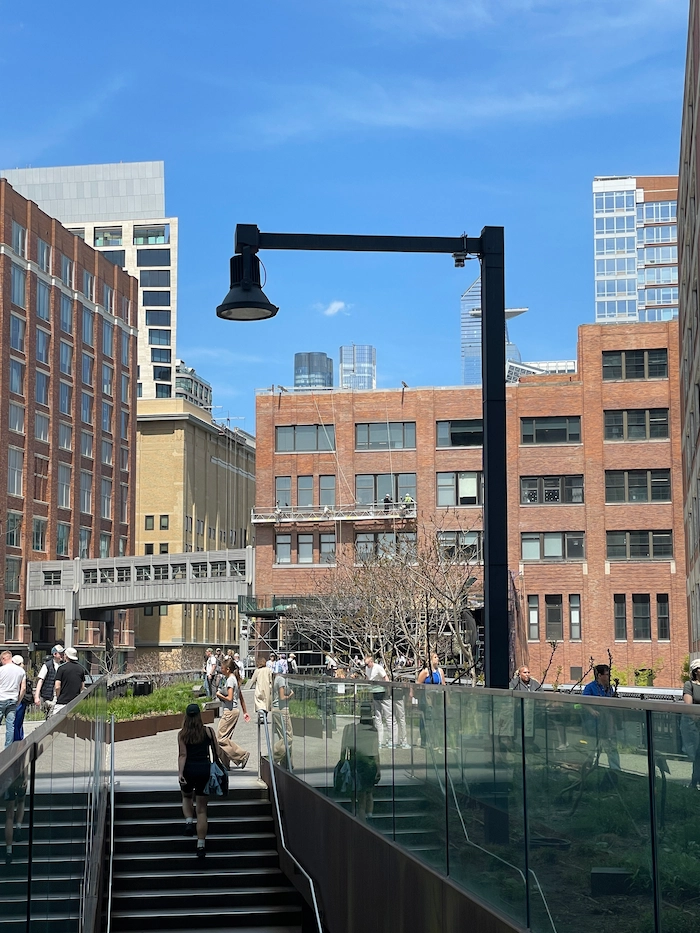
Outdoor people counting hardware built for year-round operation — trails, parks, plazas, and building entrances
Most people counting evaluations start with a sensor comparison and end with a purchase decision that overlooks architecture, privacy compliance, and support quality. The organisations that get the most long-term value from people counting start with the right questions, not the right sensor. This guide helps you ask them.
Why Legacy People Counting Systems Fall Short
The organisations that call us most often are doing so because a system they have had for years is no longer meeting their needs. The failure modes are consistent — and understanding them is the first step toward specifying a solution that won’t repeat them.
Ageing Hardware — Accuracy Drift
Infrared beam-break sensors count interruptions, not people. In crowds where two people enter side-by-side or someone stops at the threshold, counts drift. Over a busy day, that drift can represent 10-15% error — enough to make staffing and planning decisions systematically wrong.
Indoor-Only Coverage — Blind Spots Outdoors
Most legacy systems were designed for a single indoor doorway. Trails, courtyards, park entrances, outdoor plazas, and open-air event spaces are left completely unmonitored — creating gaps in exactly the spaces where communities are growing their investment.
Siloed Data — No Integration
Data that lives only in a proprietary local system, cannot be exported cleanly, and requires manual effort to compare across locations or year-over-year is not analytics — it is a counting logbook. The value is in the trends, not the daily totals.
Privacy Gaps — Compliance Risk
Systems deployed before GDPR, PIPEDA updates, and municipal privacy policy revisions may not meet current data protection expectations — creating compliance exposure that is increasingly difficult to defend in procurement reviews and public-facing deployments.
No Scalability — Stuck at Pilot Scale
Systems designed for a single location or building type often cannot be extended to additional sites, outdoor environments, or different mounting configurations without replacing the entire infrastructure. The pilot works, the network rollout doesn’t.
Weak Support — No-One to Call
Many legacy deployments were purchased through resellers with no direct manufacturer relationship. When hardware fails or software stops updating, the support chain is unclear, response times are undefined, and replacement parts may no longer be available.
Six Things a Modern People Counting System Must Deliver
A best-in-class indoor-outdoor people counting system is not defined by any single feature — it is defined by the combination of six capabilities that together make it scalable, accurate, privacy-safe, and genuinely useful over the long term.
1. Scalable, Future-Ready Architecture
A people counting system should not be a one-time install that becomes obsolete the moment you add a new building or expand a facility. The right architecture supports modular expansion as new locations, doors, or amenities come online — with centralised configuration and remote access to hardware and data. New sites added in phases, as budget and priorities allow, without re-architecting the entire system. Cloud or hybrid deployment options that scale with demand, not against it. This is the specification that separates a long-term platform from an expensive pilot that can never grow.
2. Rugged, Precision Hardware for Every Environment
Indoor doorway counters and outdoor pathway sensors are different engineering challenges — and a system that excels at one must not fail at the other. High-precision 3D sensors that accurately detect and track individuals even in crowded, multi-directional scenarios. Weatherproof, durable enclosures rated for both comfort-controlled indoor environments and harsh outdoor exposure — including Canadian winters. Tamper-resistant housings to prevent vandalism in high-traffic public areas. Encrypted communication protocols so data is protected from the moment it leaves the sensor. Flexible mounting configurations for doorways, turnstiles, gates, and open outdoor pathways alike.
3. Intelligent Software That Turns Counts into Decisions
Raw counts are only the starting point. The real value comes from software that transforms sensor data into operational intelligence: advanced tracking algorithms that accurately differentiate individuals even in dense crowds, real-time data streaming to a centralised dashboard accessible to operations staff and security teams from anywhere, role-based user authentication so the right people see the right data, native integration with building management systems and access control via open APIs, and configurable alerts for unusual crowd sizes, capacity thresholds, or unexpected patterns. A counting system that produces a number once a day is a logbook. One that delivers live intelligence is an operational tool.
4. Privacy and Security Built In — Not Bolted On
Any solution collecting movement data in public or semi-public spaces must treat privacy as a first-class engineering requirement, not a compliance checkbox. Data anonymisation at the point of collection — individuals are counted, not identified, and no images are captured or retained. Ongoing security assessments and vulnerability testing. Transparent data collection practices. Documented backup and disaster recovery procedures. Alignment with GDPR, PIPEDA, and recognised data protection frameworks, with readiness to support a formal privacy impact assessment when your organisation requires one. This combination gives legal, IT security, and privacy officers what they need to sign off with confidence.
5. Analytics and Reporting That Actually Get Used
A people counting system is only as valuable as the insight it produces — and insight that requires a data analyst to extract is insight that will not drive daily decisions. Hourly, daily, weekly, monthly, and year-over-year traffic trend comparisons. Peak usage reporting by location and amenity. Dwell time and zone exposure analytics — valuable for staffing, scheduling, and space design. Exportable, customisable reports in formats that non-technical users can read and act on. Optional heat map and flow visualisations that show how people move through a space, not just how many arrived.
6. Professional Installation, Training, and Ongoing Support
Hardware and software are only half the equation. A system is only as good as its implementation — and its implementation is only as good as the team behind it. Manufacturer-certified installation through a direct, not reseller, relationship. Full commissioning and documentation including as-built drawings, operating manuals, and a complete bill of materials. Hands-on training for staff who will use the dashboard day to day. Clear warranty terms and defined response times for both warranty and non-warranty service calls. A documented support and maintenance plan with defined service-level agreements and a commitment to regular hardware and software updates over the system’s service life.
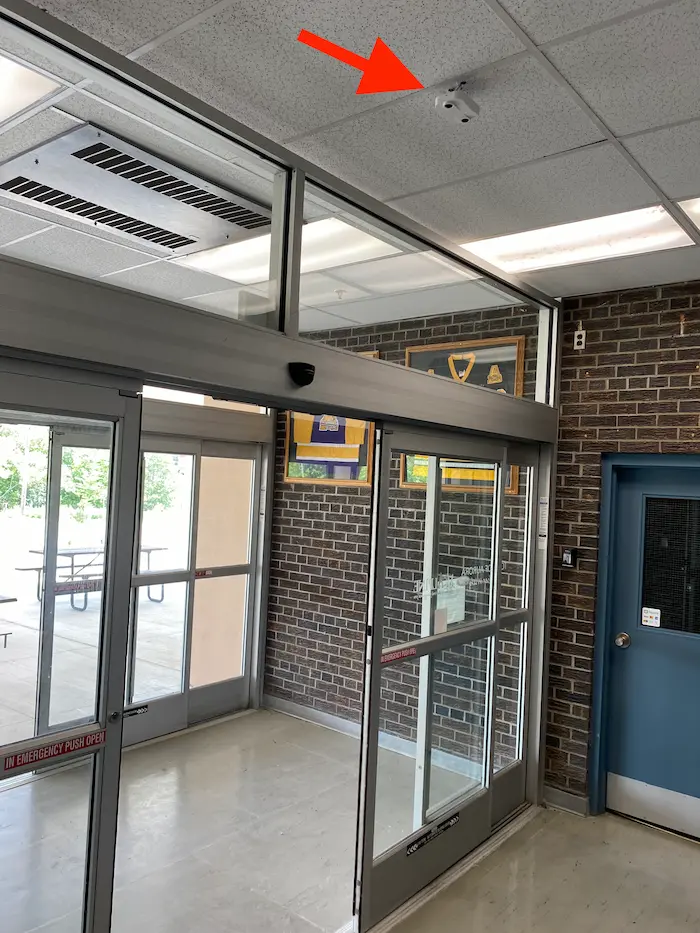
3D people counting sensor installed above an indoor entrance — compact, accurate, and privacy compliant by design
Analytics That Drive Decisions — Not Just Reports
The most common disappointment with people counting systems is not the sensor — it is the software. Organisations invest in hardware that counts accurately and then discover the analytics platform produces reports that no one opens, in formats that require manual reformatting before they can be used, with data that cannot be compared across sites without exporting to a spreadsheet first.
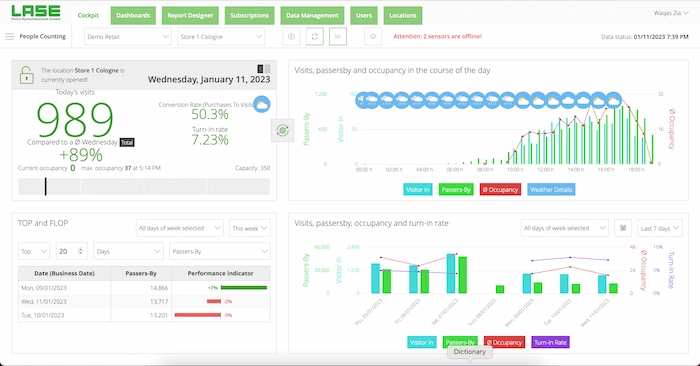
Cloud analytics dashboard — live occupancy, historical trends, and multi-site performance from any device
The analytics layer Smart Sensor Solutions deploys is built for operational users, not data analysts. Dashboard views are configured for the roles that will use them — a facility manager sees current occupancy and today’s peak periods; a regional director sees comparative performance across all locations; a public sector administrator sees visitor totals formatted for funding body reporting. The data is the same — the view is tailored to the decision it needs to support.
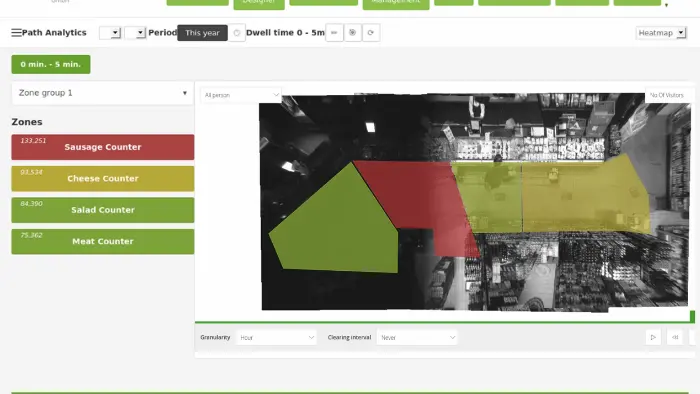
Heat map analytics reveal how people move through a space — not just how many arrived
Indoor + Outdoor: Why the Combination Matters More Than Either Alone
Most organisations think about people counting for building entrances. The most valuable insights — and the most significant data gaps — are often outside. Trails, courtyards, outdoor plazas, park pathways, and open-air event spaces generate usage data that matters enormously for planning, funding, and operational decisions, yet are routinely left unmonitored because the indoor-only systems in place have no outdoor capability.
Combining indoor and outdoor counting on a single platform creates intelligence that neither dataset produces alone. Understanding how outdoor amenities — a trail entrance, a park plaza, a courtyard between buildings — feed traffic into indoor facilities reveals the full visitor journey, not just the portion that happens under a roof. Comparing indoor and outdoor traffic against weather patterns, seasonal cycles, or scheduled events gives facility planners the complete picture that justifies both operational and infrastructure decisions.
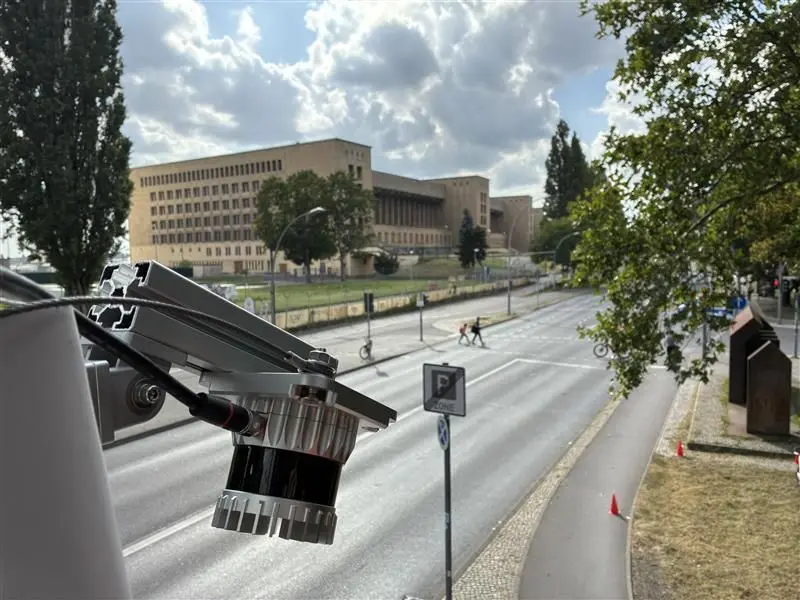
One platform covers buildings, entrances, trails, courtyards, and outdoor pathways — eliminating the gaps between indoor and outdoor data
A unified platform — rather than separate indoor and outdoor systems from different vendors — means one dashboard, one data model, one support relationship, and one procurement process. For multi-site organisations, this is not just a convenience — it is the difference between a fragmented picture assembled manually across disconnected systems and a single coherent view of how people use every part of every facility.
Our indoor-outdoor platform covers building entrances, interior zones, trail counters for hikers, cyclist counters, outdoor pedestrian analytics, and event people counting — all reporting to a single cloud dashboard, all managed through one support relationship.
Installation, Training, and Support — The Other Half of the Equation
A people counting system is only as good as its implementation. The most accurate sensor in the world, poorly positioned, produces unreliable data. The most powerful analytics platform, inadequately configured, goes unused. The support relationship that exists only during the sales process and disappears after installation leaves facility managers without recourse when hardware fails or software needs updating.
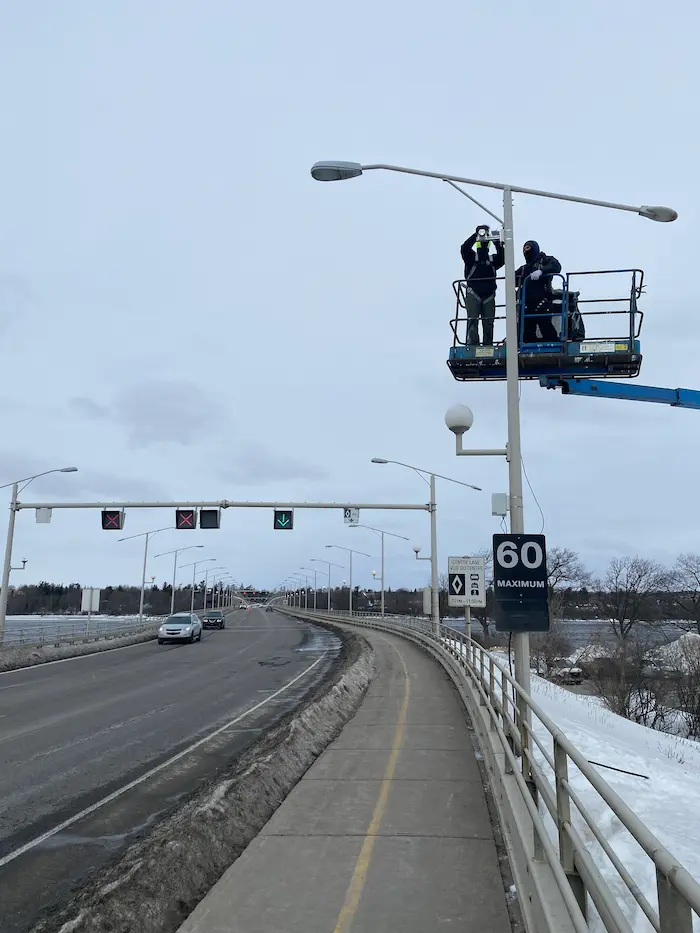
Professional installation and commissioning — correct sensor positioning is as important as sensor accuracy
- Manufacturer-certified installation — direct relationship, not a reseller chain where accountability is unclear
- Full commissioning documentation — as-built drawings, operating manuals, and a complete bill of materials for your records
- Hands-on staff training — dashboard users trained at commissioning, not left to figure it out from a manual
- Defined warranty and service terms — clear response times for both warranty and non-warranty service calls, in writing before purchase
- Documented SLA and maintenance plan — what happens when hardware fails, how software is updated, and who to call at 8am on a Monday
- Commitment to ongoing updates — hardware firmware and software platform updates over the system’s service life, not just at launch
Choosing the Right Partner — Not Just the Right Product
When evaluating any people counting solution, it is worth looking beyond the specification sheet. The product matters — but the vendor relationship matters equally, especially for deployments that are expected to run for five to ten years across multiple sites.
Verifiable Manufacturer Authorisation
Ask directly: are you the manufacturer, or a distributor? If a distributor, what is the nature of your relationship with the manufacturer — authorised and direct, or a reseller several layers removed? The answer determines what happens when you need support, parts, or a software update in year four of a deployment.
Real, Checkable References
References at similar scale and complexity to your project — not cherry-picked testimonials. Ask for contacts you can call, projects you can visit, and data on system accuracy verified against independent counts. A vendor confident in their product will welcome this.
Transparent Total Cost of Ownership
Hardware purchase price is only one component. Ask for a fully loaded five-year cost including software licensing, installation, training, annual maintenance, support, and the cost of planned hardware refreshes. The vendor who provides this clearly is the one who will be transparent after the sale as well.
A Clear Test-and-Acceptance Process
Any reputable vendor will provide a defined accuracy testing protocol — typically comparing automated counts against concurrent manual counts over a specified period. If a vendor resists defining acceptance criteria before installation, that is information worth noting before you sign a purchase order.
“An indoor-outdoor people counting system isn’t just a hardware purchase — it’s an operational intelligence platform. The organisations getting the most value are the ones that prioritise scalable architecture, rugged hardware, privacy-first software, and a support relationship that lasts well beyond installation day.”
— Smart Sensor Solutions
Frequently Asked Questions
Can one system really handle both indoor and outdoor locations?
Yes — with the right sensor design and a unified software platform, a single system can accurately count building entrances, indoor corridors, outdoor park pathways, trails, and open-air event spaces, all reporting into one dashboard. The key requirement is that the hardware is genuinely designed for both environments — not an indoor sensor deployed outdoors in a weatherproof box as an afterthought. Smart Sensor Solutions deploys purpose-built hardware for each environment type, all managed through a single cloud platform.
How accurate are modern people counting sensors in crowded spaces?
Advanced 3D stereoscopic sensors achieve greater than 98% accuracy even in high-density, multi-directional foot traffic — significantly better than older infrared or beam-break counters. The difference is that 3D sensors track each person as a distinct object in space, rather than counting beam interruptions that cannot differentiate between one person and two people entering simultaneously. For planning-grade data, 98% accuracy is the minimum acceptable threshold — anything below that compounds into significant errors at the scale of a full operating year.
Is people counting data considered personal information?
It depends on how it is collected and stored. Count data that records only numerical totals — how many people passed, when, and in which direction — without capturing any images or biometric information is generally not considered personal information under GDPR, PIPEDA, or most municipal privacy frameworks. Smart Sensor Solutions systems anonymise data at the point of collection: individuals are counted and their trajectory is measured, but no images are captured and no identifying information is retained. For organisations that require a formal privacy impact assessment, we can provide documentation to support that process.
How long does installation typically take?
Timelines vary significantly by number of locations, site conditions, and whether existing infrastructure (network, power) needs to be modified. A single-site indoor deployment at a retail store or library is typically completed in a day. A multi-site campus or park network with outdoor units and new network infrastructure may take several weeks across multiple site visits. A reputable vendor will provide a detailed installation schedule and phased rollout plan as part of the proposal — not a vague estimate provided after purchase.
What is the typical return on investment?
For commercial organisations, the most direct ROI comes from staffing optimisation — aligning labour scheduling with actual visitor demand typically reduces labour costs by 5-15% without reducing service quality. For retail environments, conversion rate visibility and layout optimisation create additional revenue impact. For public sector organisations, the primary value is in funding applications, reporting compliance, and the operational planning quality that continuous data enables — all of which are difficult to express as a simple ROI ratio but are deeply material to budget outcomes over a three-to-five year horizon.
Ready to See It in Action?
Whether you manage a single facility or a network of indoor and outdoor spaces — we can design a people counting solution that covers everything, scales as you grow, and produces analytics your team will actually use.
Serving facilities across Canada and the United States · Tel: +1 (855) 613 4486 · info@smartsensrsolutions.com